August 22, 2023
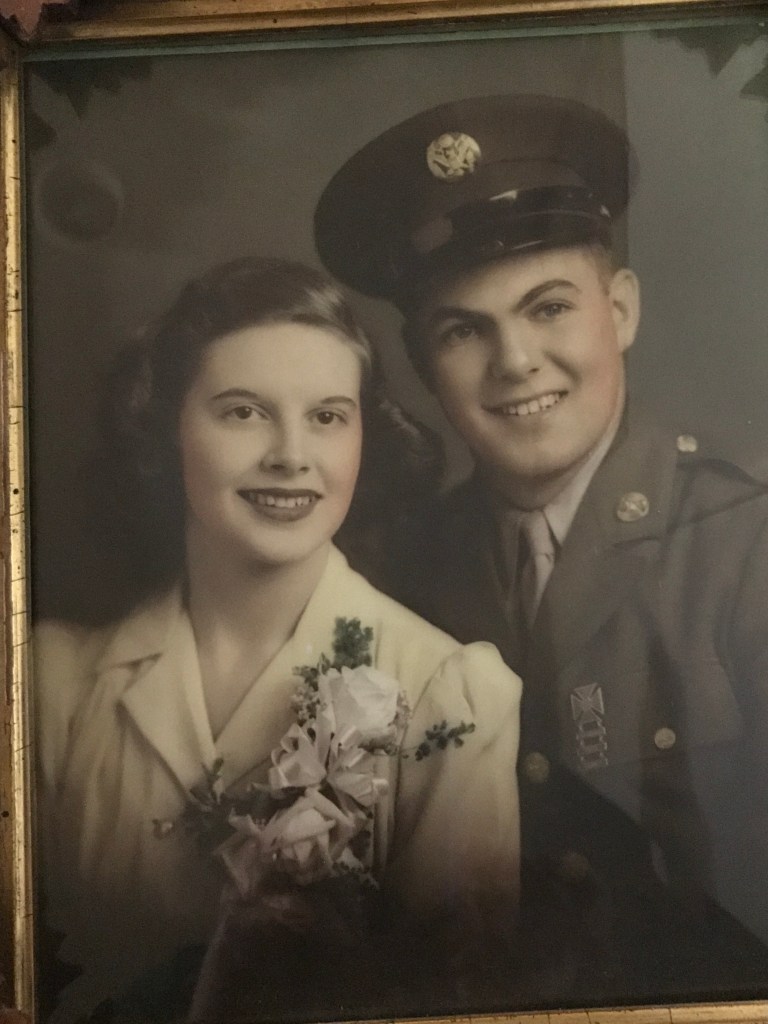
If my parents were still alive they would have celebrated their 80th wedding anniversary this past June and their 100th birthdays this month. They were born days apart in 1923, but died years apart — my mother in 2003 and my father more recently in 2020.
When my mother died of colon cancer after three years of remission, my father’s pain was tangible, but also his amazement. His wife dying first was not the plan. Men were supposed to die first, and much of their financial planning was with that thought in mind. He wanted to make sure Mom would be well-taken care of financially. Never did he think about what being a widower might mean for him.
Although he was lonely and missed her deeply, he did well. He continued his work as a consultant for several years and remained in their home until some health problems led to his decision to move into an independent living facility, where he lived for about ten years.
I suspect if Dad had died first Mom would have moved out of the house earlier and would have developed a social life with her new neighbors. Her needs for help from her family would have been different from my Dad’s, but I think she, too, would have done well in her years as a widow.
What’s important to remember is that there wasn’t a choice about who was going to die first.
What is true, however, is one of them would die before the other.
How obvious that seems, but I wonder how often we operate under mistaken assumptions. Like my father’s assumption that he would die before my mother.
In my August 1 post I mentioned that my husband and I recently had a conversation about future plans. Would I stay in the house if he died first? “No,” I said, but he said he would stay in the house, if I died first. Our conversation, brief as it was, focused on our individual needs and decisions. What strikes me now, however, is that unless we die in a car accident or some other catastrophic way, ONE OF US WILL DIE FIRST. And one of us will continue to live for an unknown period of time.
There are obviously all sorts of implications with that awareness, including financial ones but also thoughts about who I am as an individual. What am I doing now to maintain my own personhood, to continue to develop my own interests, to grow, and to connect to others in meaningful ways? What would be my challenges as a person newly uncoupled? My challenges might be different than my husband’s. Are there ways we can help each other now prepare for a life on our own after so many years of being a pair?
Obviously, we have no idea when either of us will die, and neither of us dwells on that question. Instead, we attempt to live fully and gratefully for these years that feel like such a bonus. At the same time we live aware of more days behind us than ahead of us, and it is good to continue the conversations.
In the meantime my sibs and our spouses will gather in the next few days to lift a glass or two to the memory of our parents and the years they were privileged to live.
An Invitation
What assumptions do you have as you live in your elder years? I would love to know.
 Living on Life's Labyrinth